You may be underestimating the impact of your air filters on your indoor air quality and HVAC system efficiency. Have you ever wondered if you are changing them often enough? The frequency at which you replace your air filters can significantly affect the air you breathe and the longevity of your HVAC system. So, how often is truly enough, and what factors should you consider when making this decision? Let's explore this essential aspect of home maintenance to ensure you are on the right track.
Importance of Clean Air Filters
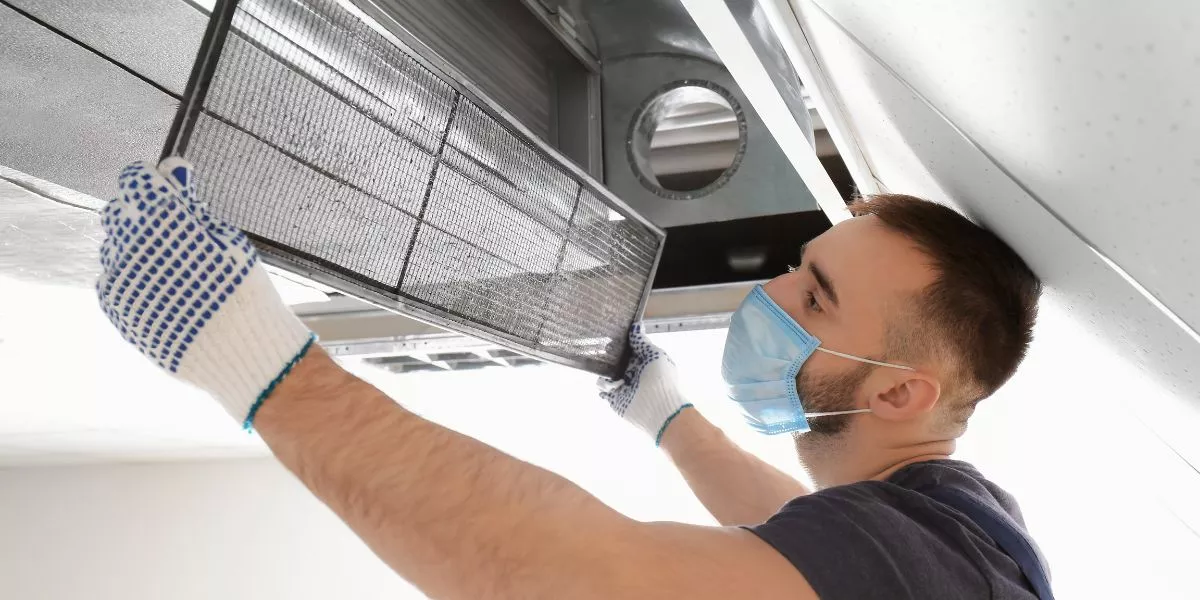
Regularly changing your air filters is crucial for maintaining good indoor air quality. Clean air filters help trap dust, pollen, pet dander, and other airborne particles, preventing them from circulating in your home. When these contaminants are allowed to build up in your HVAC system, they can worsen allergies, trigger asthma attacks, and reduce overall air quality.
Dirty air filters can also impact the efficiency of your heating and cooling system. When filters are clogged with debris, air flow is restricted, causing your HVAC system to work harder to maintain the desired temperature. This can lead to increased energy consumption and higher utility bills. By changing your air filters regularly, you not only improve the air quality in your home but also help your HVAC system run more efficiently.
In addition to health and efficiency benefits, clean air filters can also extend the lifespan of your HVAC equipment. By reducing the strain on your system, you can prevent unnecessary wear and tear, potentially saving you money on costly repairs or replacements in the long run.
Factors Influencing Filter Change Frequency
The frequency of changing air filters is influenced by various factors such as indoor air quality, pet ownership, and the presence of smokers in the household. If you live in an area with high pollen levels or pollution, consider checking and changing your air filters more frequently to maintain good indoor air quality.
Pet owners may need to change filters more often due to pet dander and fur circulating in the air. Similarly, if there are smokers in the house, the filters can get clogged faster from smoke particles, necessitating more frequent replacements.
Additionally, the size of your living space and the type of air filter you use can impact how often you should change it. Larger homes may require more frequent filter changes to ensure proper air circulation, while high-efficiency filters may last longer but still need regular monitoring. Understanding these factors can help you determine the ideal frequency for changing your air filters to maintain a healthy indoor environment.
Consequences of Neglecting Filter Changes
Neglecting to change your air filters regularly can lead to reduced indoor air quality and potential damage to your HVAC system. When filters aren't replaced as needed, they become clogged with dust, dirt, and other particles, hindering airflow. This blockage forces your HVAC system to work harder to maintain the desired temperature, resulting in increased energy consumption and higher utility bills.
Moreover, dirty air filters are less effective at trapping allergens, bacteria, and other harmful pollutants, leading to poorer indoor air quality. This can exacerbate allergies, asthma symptoms, and respiratory issues, especially in sensitive individuals. Additionally, the strain on your HVAC system caused by clogged filters can result in overheating or freezing of the coils, which may lead to costly repairs or even system failure.
To prevent these consequences, it's crucial to adhere to a regular air filter replacement schedule based on manufacturer recommendations and environmental factors. By maintaining clean filters, you can ensure optimal indoor air quality and prolong the lifespan of your HVAC system.
Tips for Maintaining Healthy Air
To maintain healthy air quality in your home, prioritize consistent air filter changes to ensure optimal performance of your HVAC system. Regularly replacing your air filters not only improves the air you breathe but also helps your HVAC system operate efficiently.
Apart from changing filters, consider these tips for maintaining healthy air. Keep your home clean by dusting and vacuuming regularly to reduce the accumulation of dust and other particles. Ensure proper ventilation by opening windows when weather permits to let fresh air circulate through your home. Control humidity levels to prevent mold growth by using a dehumidifier in damp areas. Avoid smoking indoors to prevent the buildup of harmful chemicals in the air. Lastly, consider using indoor plants known for their air-purifying properties, such as peace lilies or spider plants, to naturally filter the air.